1. Identify the germs of concern
Blood, sewage, animal waste and infectious illness each call for different products. The crew chooses a disinfectant whose label fits the situation.
Croom, MD · Prince George's County
Need a biohazard remediation service in Prince George's County? Call (877) 812-4220. Crews decontaminate Croom homes, rentals, offices and vehicles with PPE, EPA-registered disinfectants and sealed waste containers.
If anyone is in danger, call 911 first. For a suicide crisis, call or text 988.
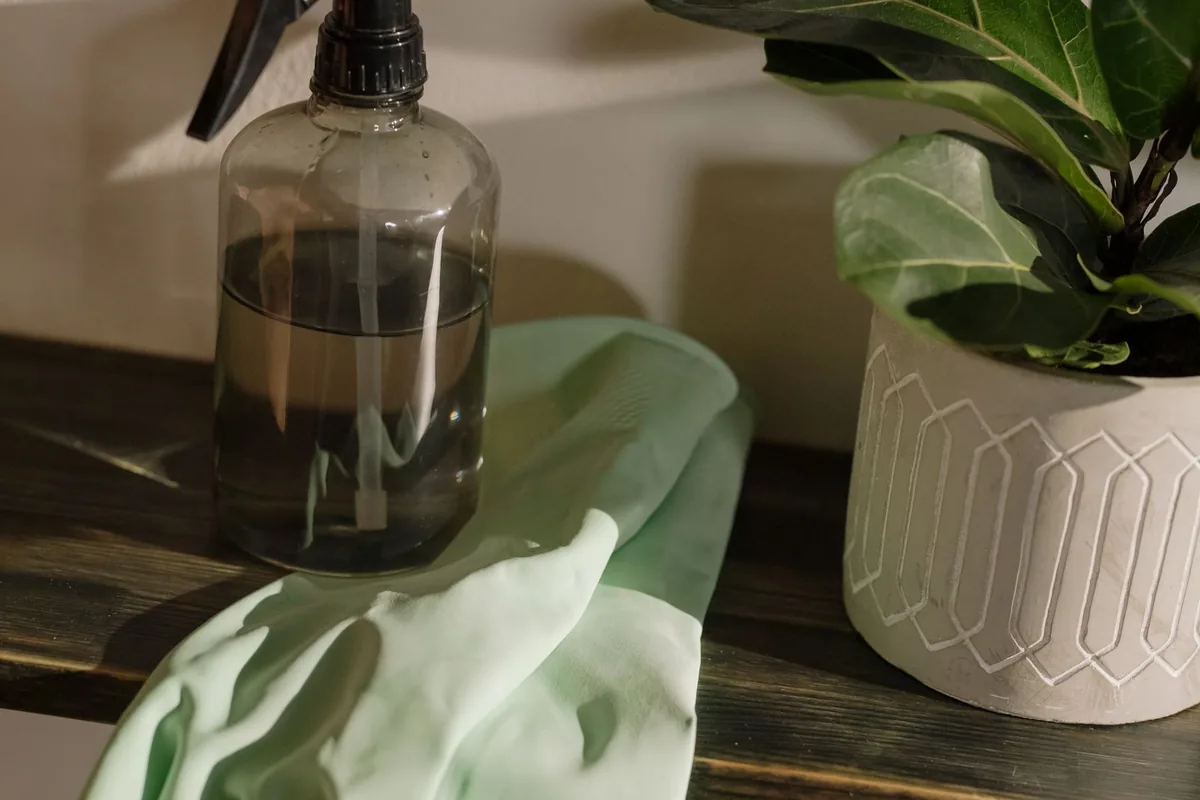
Biohazard decontamination is the process of making a contaminated space safe again by removing visible material, cleaning every surface and applying a disinfectant matched to the germs involved. It is also called biohazard remediation.
Owners in Croom and Prince George's County can call Croom Biohazard Cleanup Help to decontaminate rooms and vehicles after events that leave germs behind. You get a team that checks every treated surface before the job is called complete.
Renters make up about 38% of households in Prince George's County, so landlords often order decontamination between tenants. The nearest emergency room, Medstar Southern Maryland Hospital Center in Clinton, is about 8 miles from Croom. Anyone with symptoms after exposure should seek medical care first, then set up decontamination.
Biohazard Decontamination in Croom usually includes:
Blood, sewage, animal waste and infectious illness each call for different products. The crew chooses a disinfectant whose label fits the situation.
The crew isolates the affected rooms and limits airflow so germs do not travel. Waste containers and cleaning supplies are staged inside the zone.
Contaminated items leave in sealed bags, and the remaining surfaces are scrubbed. This clears the film that can protect germs.
The crew goes through the space with the owner and explains what was done. Waste leaves in sealed containers, and questions get plain answers.
Most biohazard decontamination jobs in Croom, MD cost between $1,000 and $15,000, based on published cost guides.
The type of germs involved shapes the products and the contact times. Sewage, bodily fluids and infectious illness each call for different disinfectants, which changes the plan.
| Type of job | Typical range |
|---|---|
| Biohazard cleanup, published span | $1,000 - $15,000 |
| Residential average range | $1,800 - $4,500 |
| Typical national range | $3,000 - $5,000 |
These ranges come from published cost guides (Fixr, Yelp Costs, Biohazard cleanup company pricing guide) and are not a quote for Croom. Price drivers include type of contamination, size of the space, surfaces affected, waste disposal. For a real number, call (877) 812-4220.
Sometimes. Some homeowners and renters policies cover cleanup after a covered event, and some exclude certain causes. Call the insurance company before work starts, take photos and keep every receipt. Ask the team whether it can supply paperwork.
Not always. Different germs need different products, and the product label says what it targets and how long it must stay wet. Never mix bleach with other cleaners, because some mixes make harmful gases. A local team picks products that match the germs involved.
Biohazard remediation is the full process of containing, removing and treating biological contamination. Decontamination is the last stage, where surfaces are disinfected and checked. Many companies use the two terms for the same job.
Cleanup removes blood, bodily fluids and other material from a scene. Decontamination makes the cleaned surfaces and the space safe again through cleaning and disinfecting. Most jobs include both, and the crew can explain how it treats each.
A good team inspects every treated surface, treats leftover odors and explains what it did. Some teams add swab tests. Ask what the final check includes and ask for a record of the work. Testing rules vary by place.
Light, simple messes may be manageable with gloves and the right product, but blood, sewage and infectious material are not. Mistakes can spread germs, and household cleaners often miss what soaked into porous items. Crews use PPE, containment and tested procedures.
Describe the contamination by phone and the crew explains how it would be treated.
Call (877) 812-4220